Fuel is one of the biggest line items for almost every trucking and delivery business, and one of the hardest to control. Prices move constantly, and waste is spread across hundreds of small decisions every day: an engine left idling, a longer route, a heavy right foot on the highway.
GPS fleet tracking makes those decisions visible. Here are eight practical ways to use that data to reduce fuel spend.
1. Cut unnecessary idling
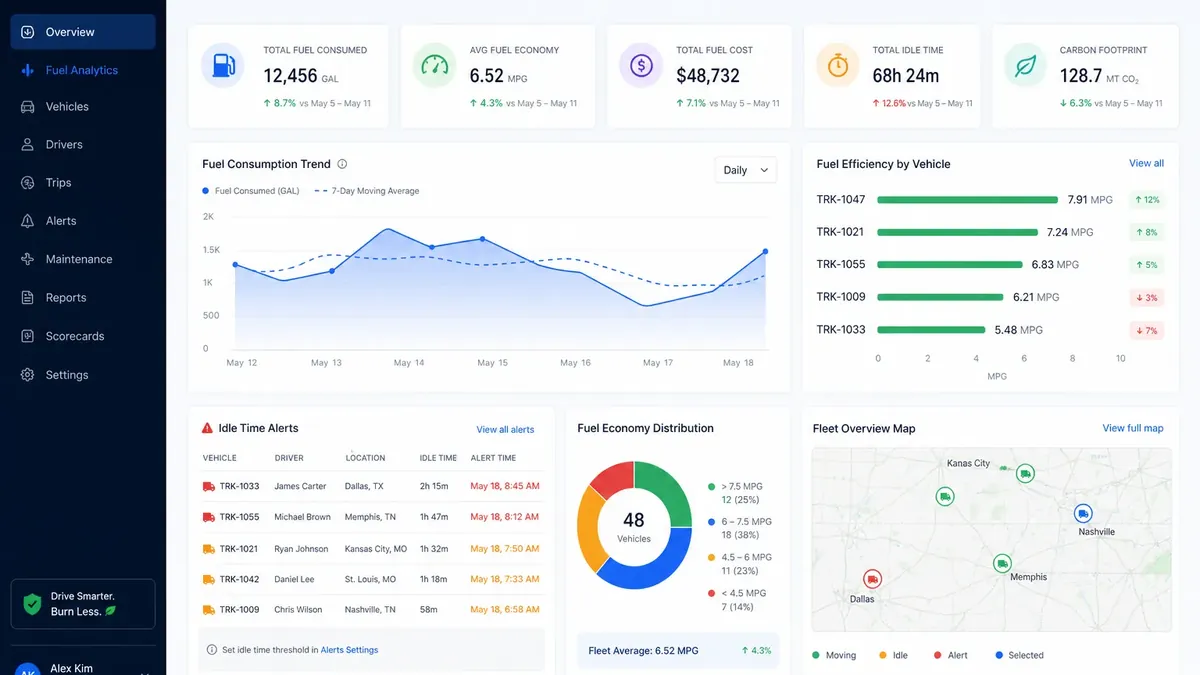
An idling engine burns fuel while the truck goes nowhere. It also adds engine hours and wear. Tracking systems record idle time by vehicle and driver, so you can:
- Set an idle-time alert, for example after several minutes stationary with the engine running.
- Identify locations where idling is common, such as a customer site with long wait times.
- Share weekly idle reports with drivers and set team goals.
2. Reduce speeding
Fuel consumption rises significantly at higher highway speeds. GPS tracking shows speeding events by driver and road, which makes it possible to coach specific behaviour instead of issuing general warnings.
3. Plan better routes
Route optimisation that considers stop order, traffic and road restrictions reduces total miles. Even a small reduction per trip adds up quickly across a fleet and a full year.
4. Eliminate unauthorised use
Trip history and geofences show when vehicles are used outside working hours or away from assigned areas. Simply knowing that routes are visible tends to reduce personal use of company vehicles.
5. Coach harsh driving
Hard acceleration and harsh braking waste fuel and increase wear on brakes and tyres. Many tracking systems flag these events. Use them for positive, specific coaching, and recognise drivers who improve.
6. Keep vehicles properly maintained
Underinflated tyres, clogged filters and overdue servicing all hurt fuel economy. Mileage-based maintenance alerts from your tracking system help ensure vehicles are serviced on time, not only when something breaks.
7. Dispatch the nearest available vehicle
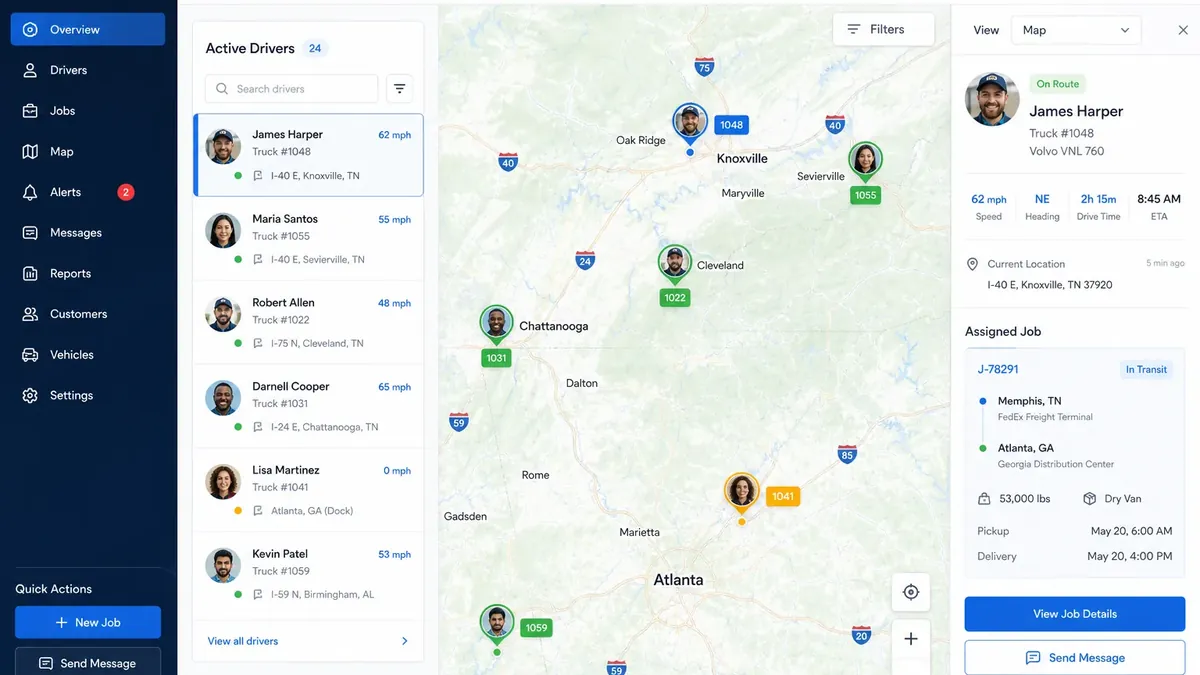
When dispatchers can see every truck's live location, they can assign urgent jobs to the closest available vehicle instead of sending one from across town. That saves fuel and improves response time.
8. Match fuel card data with trips
Comparing fuel card transactions with vehicle location and tank activity helps spot purchases that do not match a vehicle's trip, which can reveal errors or misuse.
Measure before and after
To know whether these changes work, track a few simple metrics each month:
- Fuel cost per mile or per kilometre
- Idle time per vehicle
- Speeding and harsh driving events per driver
- Miles per delivery or per job
Record a baseline before you make changes, then review progress monthly. Share results with drivers so they can see the impact of their habits.
Make it part of the culture
Technology shows where fuel is wasted, but people make the savings happen. Fleets that get the best results usually:
- Explain why tracking is being used and how it helps drivers
- Coach privately and recognise improvement publicly
- Set realistic, team-based targets
- Review the data regularly instead of only when there is a problem
How Viqsa helps
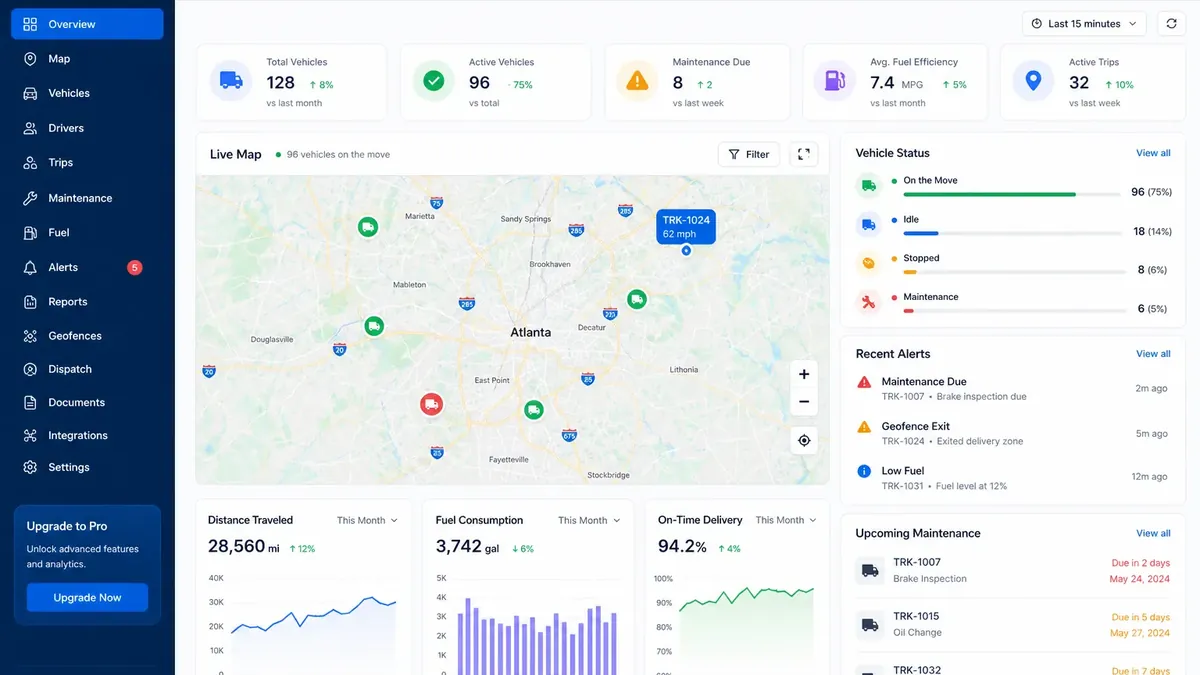
Viqsa Truck Management combines real-time GPS tracking, route optimisation, intelligent dispatch, fuel analytics and maintenance scheduling in one dashboard. Managers can see idle time, trip history and fuel trends by vehicle and driver, while integrations with fuel cards and existing GPS hardware keep the data complete.
Key takeaway: Fuel savings come from many small improvements: less idling, steadier speeds, shorter routes and well-maintained vehicles. GPS tracking makes each one measurable, so you can focus on what makes the biggest difference for your fleet.