In field service, the schedule is the plan for everything: which customers are served, how much travel your team does and whether jobs finish on time. A weak schedule leads to overtime, late arrivals and unhappy customers. A strong one makes the day run smoothly even when something unexpected happens.
Here are nine best practices for scheduling field service jobs.
1. Know each worker's skills and certifications
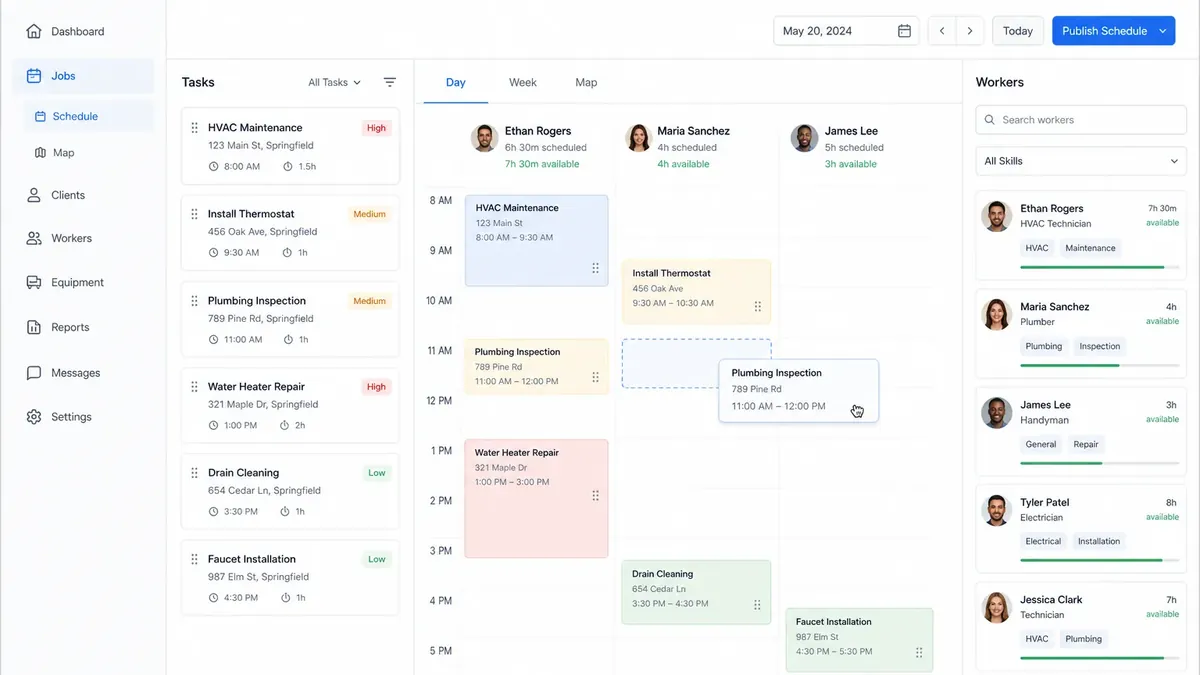
Not every technician can do every job. Record skills, certifications, equipment and experience for each worker, and match jobs accordingly. Sending the right person the first time avoids repeat visits.
2. Group jobs by location
Travel time is non-productive time. Cluster jobs in the same area for the same worker and plan the order of visits to reduce back-and-forth driving.
3. Estimate job duration realistically
Use past data to estimate how long each job type really takes, including setup and paperwork. Schedules built on optimistic estimates fall apart by mid-morning.
4. Build in buffers
Leave some capacity for emergencies, overruns and traffic. A schedule that is 100% full on paper will almost always run late in practice.
5. Prioritise by urgency and service level
Emergency repairs, contractual response times and VIP customers should be scheduled first. Routine and preventive work can fill the gaps around them.
6. Send complete job details to the mobile app
Every job should include the address, customer contact, access instructions, job description, required parts and a checklist. Workers who arrive prepared finish faster and make fewer return visits.
7. Keep the schedule live
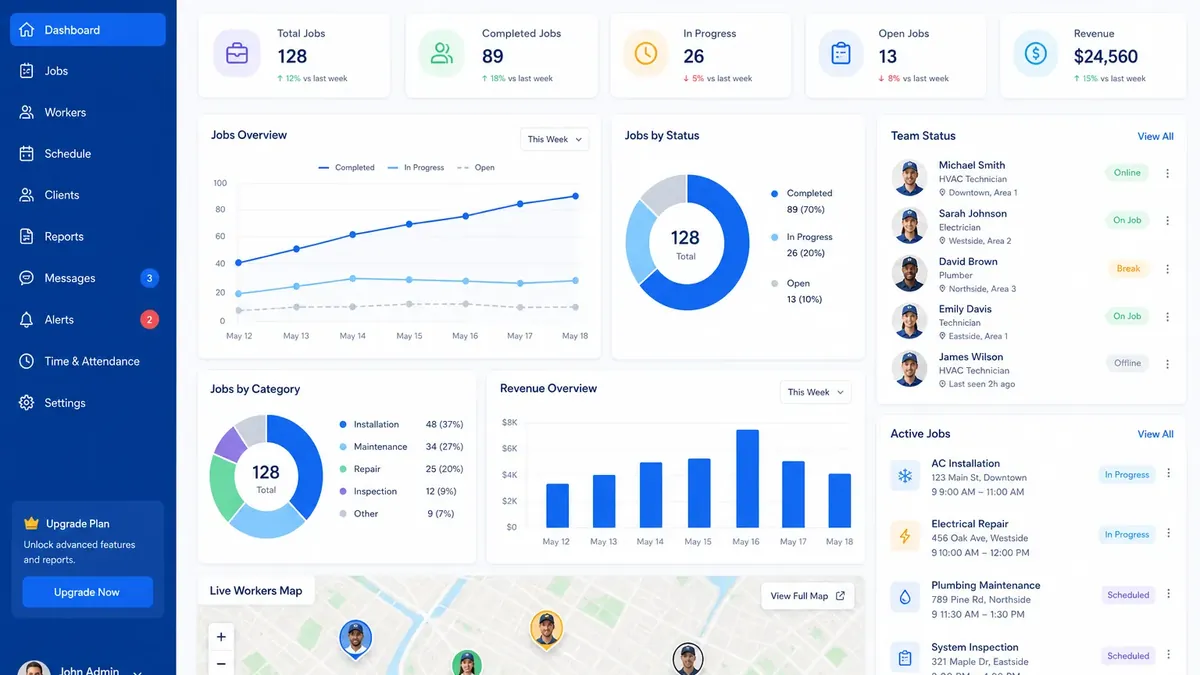
Plans change during the day. Workers finish early, jobs overrun and urgent requests arrive. When managers can see live job status and worker locations, they can reassign work to the nearest available person instead of rebuilding the whole schedule.
8. Confirm appointments with customers
A reminder before the visit reduces no-access calls where the worker arrives and nobody is home. Sharing an arrival estimate on the day improves the customer experience further.
9. Close every job with proof of completion
Photos, checklists, notes and customer signatures confirm the work was done and done properly. Completed jobs with full records can move straight to invoicing, which speeds up cash flow.
Measure and improve
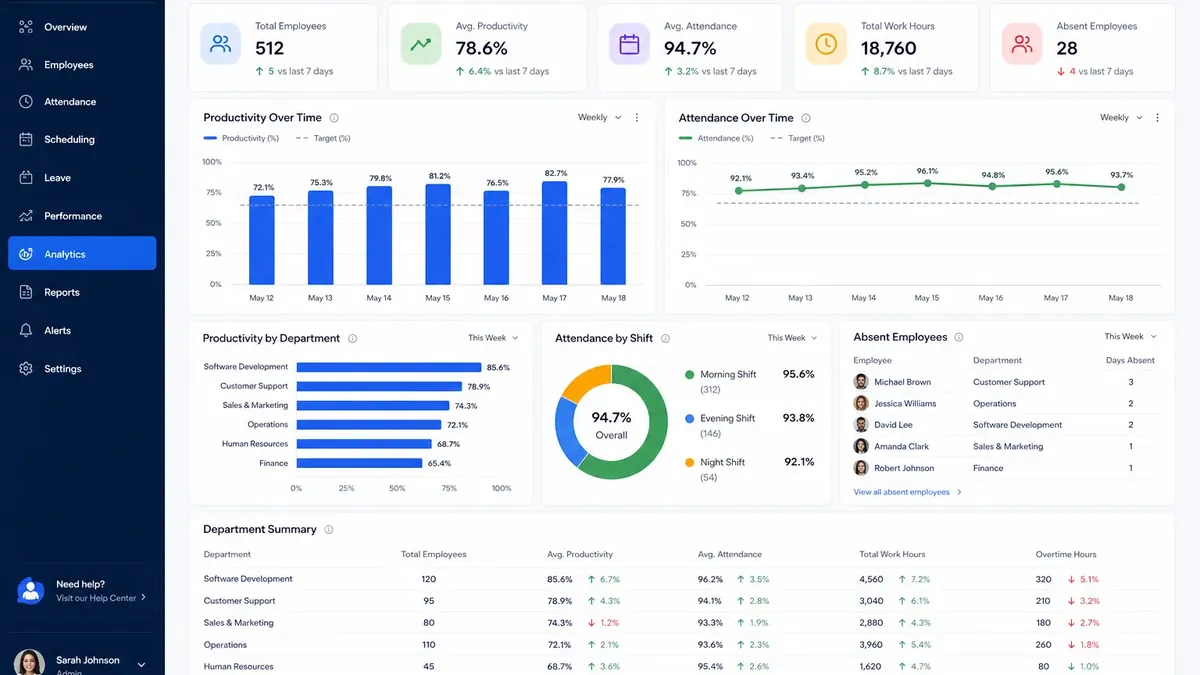
Review these scheduling metrics regularly:
- Jobs completed per worker per day
- First-time fix rate: jobs completed without a return visit
- On-time arrival rate
- Travel time as a share of working time
- Average time from job completion to invoice
Look for patterns, such as job types that always overrun or areas with long travel times, and adjust your planning.
Common scheduling mistakes
- Scheduling from memory or a whiteboard that nobody else can see
- Assigning jobs without checking skills or parts availability
- Filling every minute of the day with no room for emergencies
- Relying on phone calls for every update
- Leaving completed job paperwork until the end of the week
A typical day with digital scheduling
In the morning, the manager assigns jobs and each worker receives a notification with details and directions. Workers navigate to each site, complete checklists, upload photos and collect the customer's signature. As each job is marked complete, the manager sees progress in real time, and completed jobs are ready for invoicing without extra paperwork.
How Viqsa helps
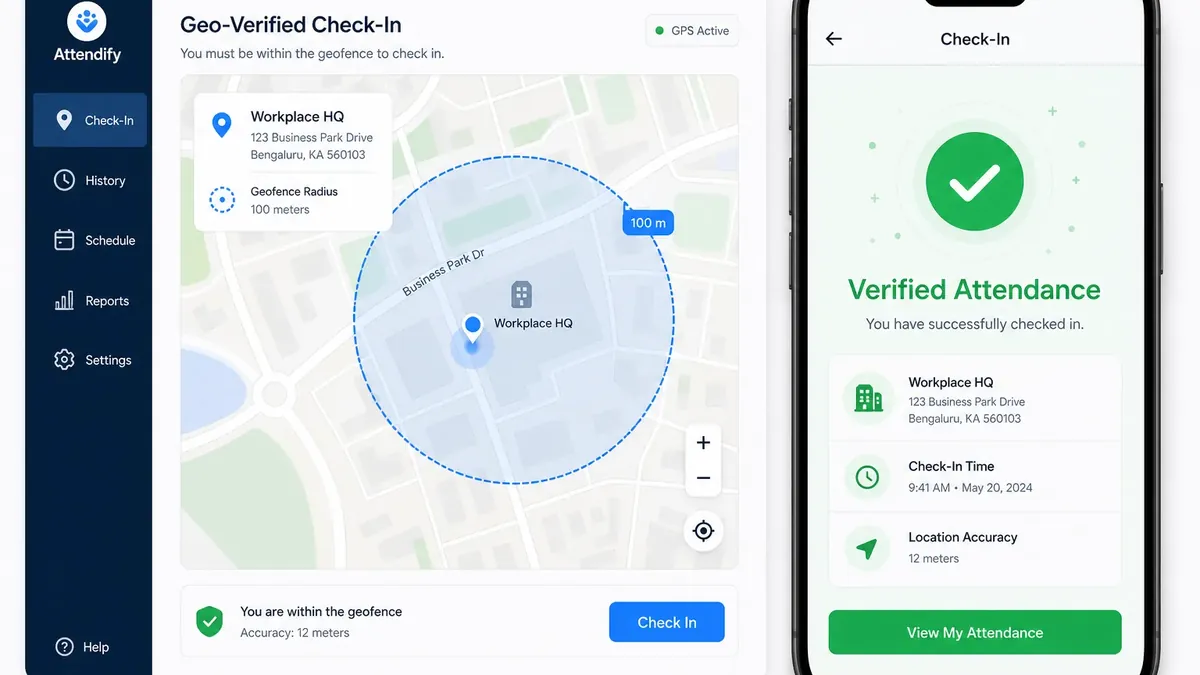
The Viqsa Field Worker Management System supports this full workflow with task assignment and workflow automation, route planning, real-time location tracking and geo-verified visits. Workers get job notifications, GPS navigation, photo upload and customer signatures in the mobile app, and completed jobs can generate invoices automatically.
Key takeaway: Great field service scheduling combines the right person, a sensible route, realistic timings and live updates. Get those right and your team completes more jobs with less travel, less overtime and happier customers.