
Most software ideas never become products. Not because the idea is bad, but because the path from "this should exist" to a working first version feels unclear, expensive and technical. Founders get stuck choosing features, picking technology or finding the right team.
A structured process removes most of that uncertainty. Here is a practical path from SaaS idea to minimum viable product (MVP), and where AI-powered consultation helps along the way.
Step 1: Define the problem, not the product
Start with the problem you want to solve and the people who have it. Write down:
- Who the target users are
- What they do today to solve the problem
- Why current solutions fall short
- What a better outcome looks like for them
A clear problem statement keeps every later decision focused.
Step 2: Validate before you build
Talk to potential users. Show them rough sketches, describe the workflow and listen for real pain. Look for signs of genuine demand, such as people asking when they can use it, rather than polite interest.
Step 3: Create a product blueprint
A product blueprint turns the idea into a plan. It typically covers:
- Product vision and target users
- Key features, separated into must-haves and nice-to-haves
- User flows for the most important tasks
- Technology stack recommendations
- Development phases and timeline estimates
- Risks and assumptions to test
This is where AI tools can speed things up, for example by helping analyse the market, draft user stories, compare technology options and identify where automation or AI features could add real value.
Step 4: Build a clickable prototype
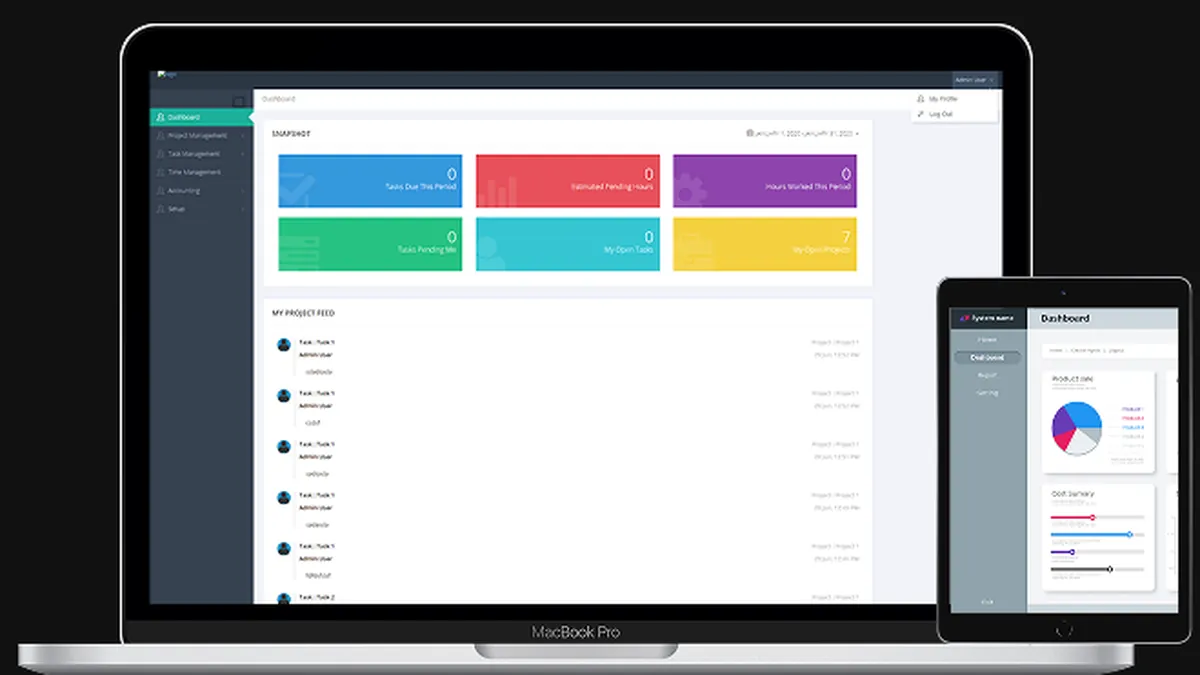
Before writing production code, create a clickable UI prototype of the most important screens. It lets founders, investors and potential users experience the product and give feedback early. Usability problems found at this stage cost far less to fix than after launch.
Step 5: Build the MVP
The MVP is the smallest version of the product that solves the core problem well enough for real users to adopt it. It usually includes:
- User accounts and authentication
- The core workflow that delivers the main value
- A database and basic admin tools
- Cloud deployment
- Simple analytics to learn how people use it
The goal is not to build every feature. It is to launch, learn and improve based on real feedback.
Step 6: Launch, learn and iterate
After launch, watch how users behave, collect feedback and prioritise improvements. Many successful SaaS products look quite different a year after launch because they evolved with their users.
Common mistakes to avoid
- Building too many features before anyone uses the product
- Choosing technology based on trends instead of requirements
- Skipping validation and prototyping to "save time"
- Underestimating what happens after launch: support, updates and scaling
- Starting from scratch when a proven platform could be extended
Do you need to be technical?
No. Founders need to understand the problem and the users. A good consultation process translates business needs into technical decisions, so non-technical founders can make informed choices with confidence.
Build on what already exists
If your idea is in an industry where proven software already exists, extending or white-labelling an existing platform can shorten time to market significantly compared with building everything from scratch.
How Viqsa can help
Viqsa AI Consultation combines AI product development tools with hands-on SaaS experience. The process starts with a free 45-minute discovery call, followed by an AI-assisted product blueprint, a clickable prototype and validation, then build and launch. Because Viqsa builds and runs its own SaaS products for property, truck, field worker and hotel management, businesses in those industries can also explore extending an existing platform instead of starting from zero.
Key takeaway: The fastest route from idea to product is not skipping steps, it is doing them in the right order: define the problem, validate, blueprint, prototype, build the MVP, then learn and iterate.