Most investors start with a spreadsheet, a phone full of contacts and an inbox that doubles as a filing cabinet. That works for the first few deals. Then a seller you spoke to three months ago calls back, a lease renewal slips past, or a contractor invoice gets paid twice, and it becomes clear the business has outgrown its tools.
A real estate investor CRM is built to fix exactly that. It is a single system that follows a property from the first lead to the last rent payment, so nothing depends on memory.
How an investor CRM differs from a sales CRM
A generic sales CRM tracks contacts and a pipeline of opportunities. That covers the first step of an investor's work, but not the rest. Investors also need to analyse deals, manage offers, sign leases, handle maintenance and keep property-level books.
An investor CRM is organised around that full cycle: Find, Analyze, Offer, Close, Operate. Every record connects, so the seller, the deal analysis, the signed purchase agreement, the tenant lease and the repair history all live on the same property.
The features that matter most
Contacts, prospects and follow-ups
Sellers, buyers, agents, lenders, contractors and tenants all belong in one searchable database. Good investor CRMs let you tag contacts by role and motivation, log every call and email, and schedule the next follow-up automatically, so warm leads do not go cold.
Built-in deal analysis
Running numbers in a separate spreadsheet means copying data back and forth. With deal analysis inside the CRM, purchase price, rent, expenses and financing sit on the property record, and you can compare scenarios before you make an offer.
Offer and document management
Track every offer you send, its status and its expiry date. Store purchase agreements, inspection reports and closing documents against the property instead of in scattered folders.
Leases and work orders
Once you own a property, the CRM should manage leases, renewals and rent schedules, plus maintenance requests from submission to completion, including what each repair cost.
Property-level accounting
A ledger, billing and invoices, and reports by property show which assets actually make money. That is far more useful than one bank balance for the whole portfolio.
Signs you have outgrown spreadsheets
- You have missed a follow-up with a motivated seller because it was not written down anywhere.
- Different people on your team keep different versions of the same list.
- You cannot say which property had the highest maintenance cost last year without an afternoon of digging.
- Lease end dates live in someone's calendar rather than in a system.
- Tax time means rebuilding a year of income and expenses from bank statements.
If two or more of these sound familiar, a dedicated CRM will usually pay for itself in time saved.
Who benefits most
Different strategies use the same system in different ways:
- Buy-and-hold investors lean on leases, rent tracking, work orders and property financials.
- Rehabbers focus on deal analysis, rehab budgets and contractor management.
- Wholesalers live in the lead pipeline, marketing follow-ups and offer tracking.
- Property managers need tenant records, maintenance workflows and owner reporting.
How to choose the right CRM
- Map your workflow first. Write down how a deal moves through your business today and make sure the CRM mirrors those stages.
- Check that modules connect. Deal analysis, leases and accounting should share the same property record, not live in separate apps.
- Look at reporting. You should be able to see cash flow, occupancy and maintenance cost per property without exporting to Excel.
- Plan for your team. User roles and permissions matter once you add an assistant, acquisitions manager or bookkeeper.
- Ask about data security and backups. Your contact list and financial records are core business assets.
Where Viqsa fits
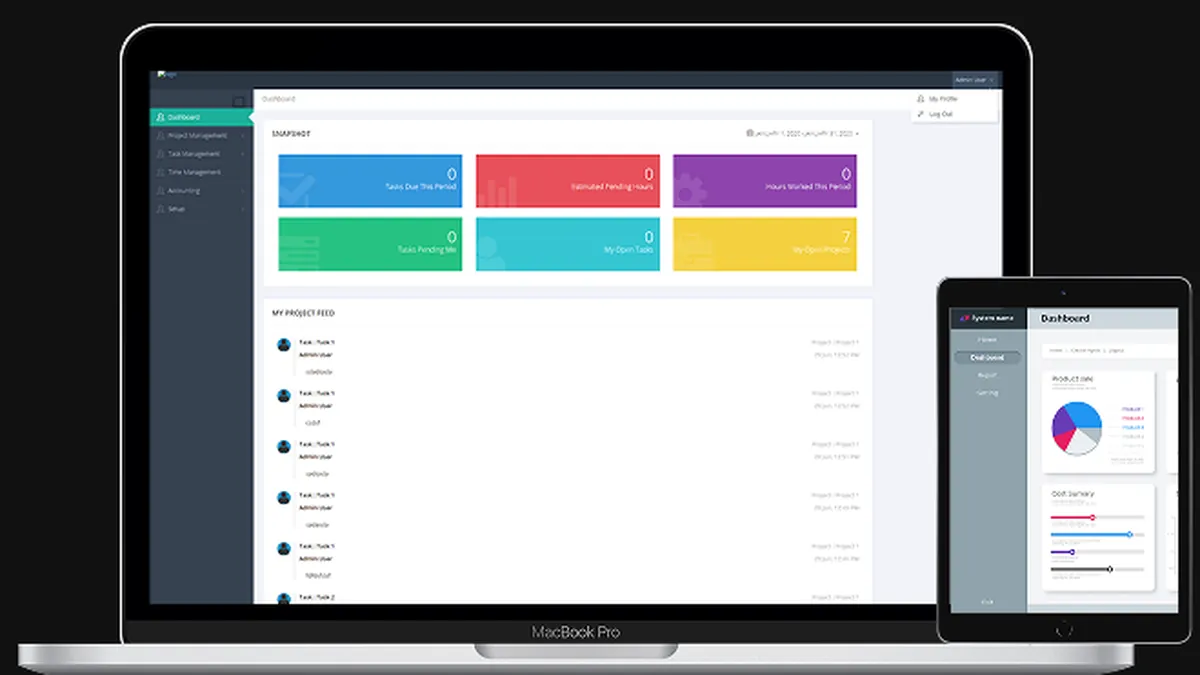
The Viqsa Real Estate Investor CRM brings 17 integrated modules into one platform, including contacts and prospects, marketing, a deal analyzer, an offer manager, documents, leases, work orders, an accounting ledger, billing and reports. It is designed for buy-and-hold investors, rehabbers, wholesalers and property managers who want one system instead of five disconnected tools.
Key takeaway: A real estate investor CRM is not just a contact list. The value comes from connecting leads, deal numbers, leases, repairs and accounting on the same property record, so every decision is based on complete, current information.