Housekeeping is one of the largest teams in most hotels and one of the most important for guest satisfaction. A spotless room earns good reviews. A room that is not ready at check-in time, or has been missed entirely, creates complaints that are hard to recover from.
The biggest challenge is usually not effort, it is communication between housekeeping, the front desk and maintenance.
The problem with paper and radios
In many hotels, room status still travels by paper lists, radio calls and phone calls:
- The front desk calls housekeeping to ask whether a room is ready.
- Housekeepers mark progress on paper that the supervisor updates later.
- Late check-outs and room changes are shared verbally and sometimes missed.
- Maintenance issues found during cleaning are reported by memory.
Each step adds delay, and guests waiting in the lobby notice.
How housekeeping software helps
Real-time room status
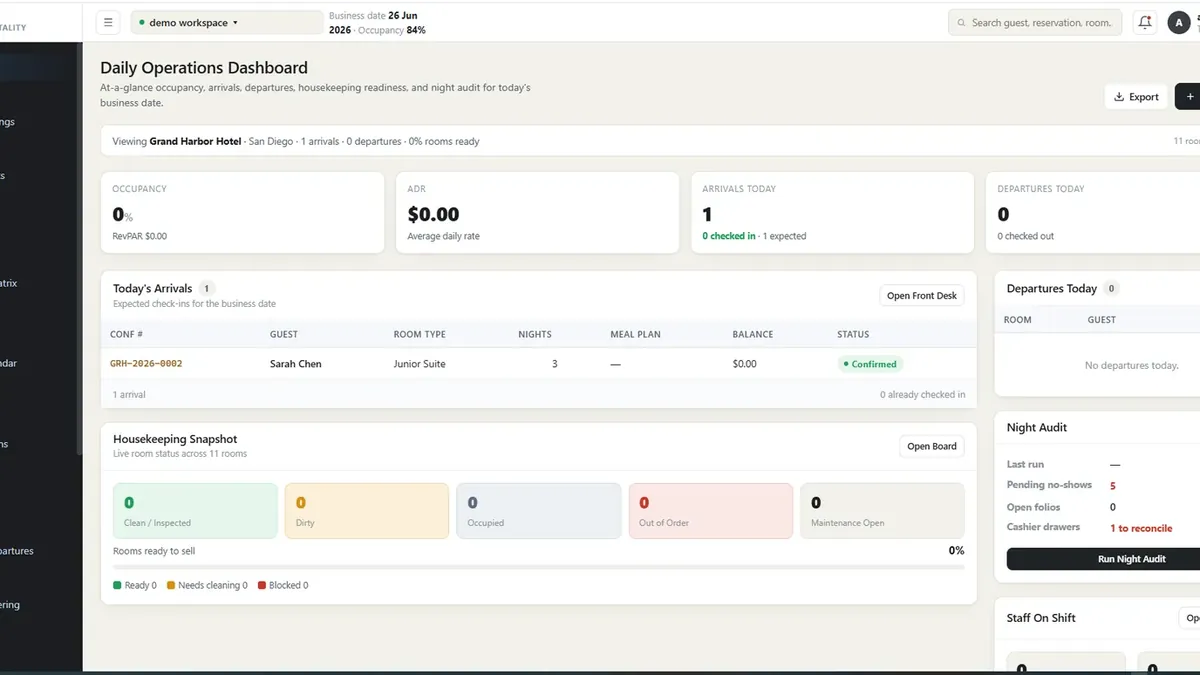
Each room shows a live status, such as occupied, vacant dirty, cleaning in progress, clean or inspected, and out of order. Housekeepers update it from a phone or tablet the moment they finish, and the front desk sees it instantly.
Smart task assignment
Supervisors assign rooms to housekeepers based on departures, arrivals and stay-overs, balancing workload across the team. Priority rooms, such as early arrivals and VIP guests, are cleaned first.
Inspections and checklists
Room checklists keep standards consistent, while supervisor inspections before release catch anything missed. Results show where extra training is needed.
Maintenance reporting
When a housekeeper finds a broken lamp or leaking tap, they report it from the room with a photo. Maintenance gets a task immediately and the room can be marked out of order if needed.
Lost and found and notes
Items found in rooms and guest preferences, such as extra pillows or no daily service, are recorded and visible to everyone who needs them.
Best practices for faster room turnover
- Prioritise by arrival time. Clean rooms for early arrivals first, then the rest.
- Update status immediately. A room that is clean but not marked clean is still unavailable to the front desk.
- Standardise cleaning checklists by room type so every room meets the same standard.
- Balance workloads using credits or time estimates for departures versus stay-overs.
- Communicate late check-outs early so schedules can adjust.
- Inspect a sample of rooms daily and share feedback quickly.
- Track linen and amenity usage to avoid shortages at peak times.
Metrics worth tracking
- Average time to clean by room type
- Rooms cleaned per housekeeper per shift
- Time from check-out to room ready
- Inspection pass rate
- Number of guest complaints related to cleanliness
These metrics help managers plan staffing and spot issues before they reach online reviews.
Housekeeping and the front desk: one system
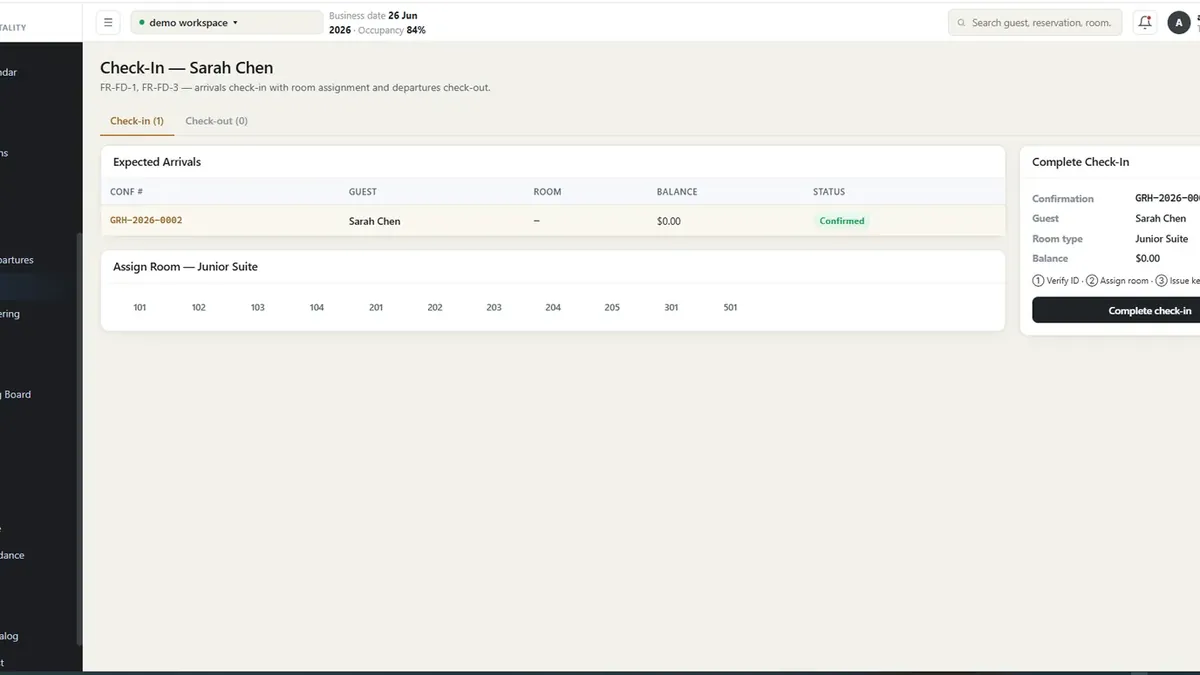
The biggest gains come when housekeeping is part of the same system as reservations and the front desk. Departures automatically create cleaning tasks, room status feeds check-in, and maintenance issues block rooms from being sold.
Viqsa Hotel Management System keeps rooms guest-ready with real-time housekeeping status updates connected to reservations, room allocation and check-in. Teams stay coordinated from a single platform, and managers can see operations live from the dashboard.
Key takeaway: Faster room turnover comes from better communication, not faster cleaning. Real-time room status, clear priorities and connected systems help housekeeping and the front desk work as one team.